
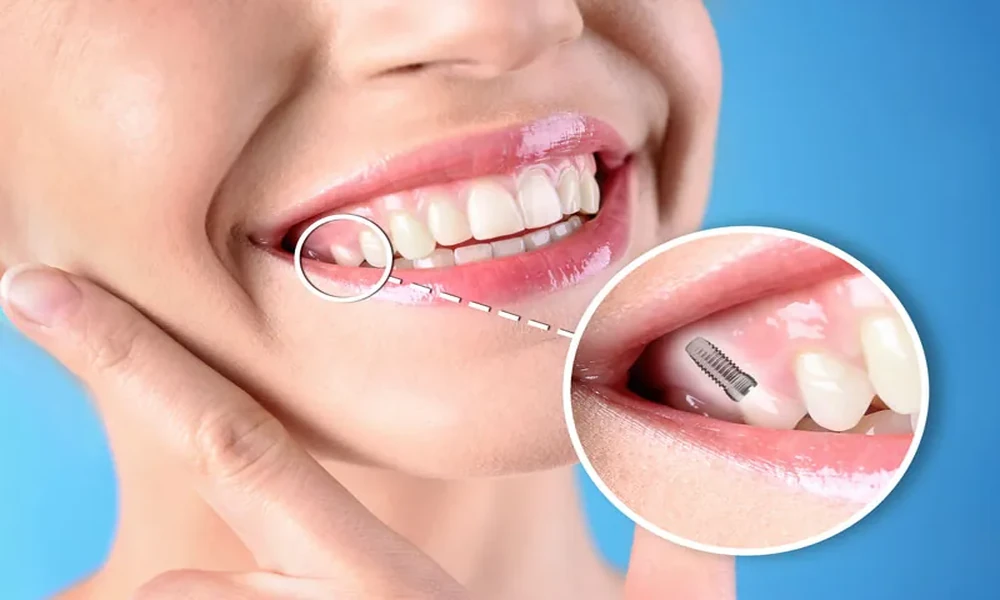
My grandfather wore the same set of upper dentures for thirty-one years. He kept them in a glass by the kitchen sink, and every family dinner started with the same quiet ritual: a small grimace, a click, a swallow. He never ate corn on the cob again after 1988.
That glass by the sink is why I find dental implants genuinely interesting. For most of human history, losing a tooth was permanent. You got a wooden peg, a bridge wired to your neighbors, or nothing. Implants broke that rule, and they broke it in a way that took dentists and metallurgists nearly two thousand years to figure out.
Here’s what you’ll get in the next few minutes: the real story of where implants came from, why titanium turned out to be the magic metal, and a plain checklist for figuring out whether implants make sense for you or for someone in your family.
Where Did the Idea of Dental Implants Actually Come From?
Long before anyone understood bone biology, people were already trying. Archaeologists working in Honduras found a Mayan jaw dating back roughly 1,300 years with shell fragments shaped to sit where teeth had been. Whether that was cosmetic or functional is still debated, and honestly, I love that we don’t know. Someone tried. It didn’t work the way we’d hope, but they tried.
Fast forward to the 1950s, when a Swedish orthopedic surgeon named Per-Ingvar Brånemark was studying blood flow in rabbit bone using titanium chambers. When he went to remove the chambers, they wouldn’t come out. The bone had grown into the metal and locked itself around it. He called the phenomenon osseointegration, and it turned out to be the discovery that made modern implants possible.
Brånemark published his first human implant case in 1965. The patient reportedly kept those implants for the rest of his life, four decades of chewing on titanium. That’s the detail that got me. Not a lab result. A guy eating dinner.
According to the National Institutes of Health, osseointegration is now understood as a direct structural and functional connection between living bone and the surface of a load-bearing implant. That’s the whole trick. Nothing else in dentistry mimics it.
Why Titanium Won, and Why It Still Wins
You’d think we’d have moved on to something fancier by now. Carbon fiber, ceramics, some composite nobody can pronounce. We haven’t, mostly. Titanium and its alloys remain the standard root material because they’re strong, light, and the human body tolerates them remarkably well.
The crown on top is usually a different story. Zirconia and porcelain-fused-to-metal are the common choices, and each has trade-offs. Zirconia looks better in natural light and won’t show a gray line at the gum, but it can wear down opposing teeth faster. Porcelain is more forgiving to bite against, though it chips. If I were choosing for a front tooth, I’d take zirconia. For a molar in a heavy grinder, I’d want a conversation with the dentist before deciding.
What carries more weight than material choice is the state of your bone. Titanium only osseointegrates if there’s enough healthy bone for it to bond with, and that’s where a lot of failed internet searches go sideways. The American Dental Association notes that bone quality and quantity are among the primary factors dentists assess before placing an implant. If you’ve been missing a tooth for years, the bone underneath has probably shrunk. That’s not a dead end. It just means grafting enters the conversation first.
I’ve watched people skip this step because a cheap quote somewhere did. Then they’re back six months later with a loose implant and less bone than they started with. Don’t do that.
What Actually Happens on Implant Day
The procedure itself is less dramatic than the name suggests. Most single implants go in under local anesthetic, and plenty of patients go back to work the next day. Here’s the rough sequence:
- Imaging and planning. Cone beam scans map your bone, nerves, and sinuses before anyone picks up a drill.
- Placement. The titanium post goes into the jaw. Depending on bone density, the dentist may torque it hard enough to support a temporary crown that same day, or leave it undisturbed.
- Healing. Osseointegration takes a few months. You’ll eat soft food, skip the gym for a week or so, and mostly forget it’s happening.
- Abutment and crown. Once the bone has locked in, the dentist attaches the connector and the final tooth.
Full-arch cases look different. Four to six implants carry an entire fixed bridge, which is why “full mouth” work is more about strategic placement than stuffing in as many posts as possible. Dentists call that all-on-four or all-on-six depending on the configuration.
Straight Talk on Risks and Maintenance
Implants have a high long-term success rate, but they aren’t indestructible. The most common complication is peri-implantitis, an inflammatory condition around the implant that mirrors gum disease around natural teeth. It usually starts the same way: inconsistent brushing, skipped cleanings, smoking.
The Centers for Disease Control and Prevention has documented that cigarette smoking weakens the body’s ability to fight infection and slows healing, which is exactly the wrong combination for a surgical site. If you smoke and you’re considering implants, quitting before surgery isn’t a moral lecture. It’s practical engineering.
Maintenance after the fact is boring and effective. Brush twice a day, floss or use interdental brushes around the implant, and keep your professional cleaning schedule. Your hygienist can see early inflammation long before you feel anything.
An implant isn’t a replacement you buy once and forget. It’s a partnership with your own bone, and your bone keeps score.
A Practical Way to Sort Your Options
I’ve sat through enough consultations with family members to have a system for this. I call it the Four Questions framework, and it works whether you’re pricing a single tooth or a full arch. Ask any dentist you see these four things before you commit:
- Who places the implant? Some offices plan the case and send you elsewhere for surgery. That isn’t wrong, but you should know before the day.
- What’s the total figure? Surgery, abutment, crown, imaging, and any grafting should all appear in one number.
- What happens if it fails? Ask directly. A good answer covers the warranty period and the revision policy.
- How long is the whole timeline? Anywhere from a few weeks to a year, depending on bone and whether you need extractions.
Clinics that offer Dental Implant Services in Saratoga Springs, NY and similar practices elsewhere will usually walk you through all four without flinching. If someone dodges the third question, walk out. That’s my honest read, and I’ll stand by it.
One more thing on cost. Dental insurance often treats implants as a covered alternative to a bridge or denture rather than a luxury, but coverage varies wildly. Get the pre-treatment estimate in writing before scheduling. It takes a phone call and saves a fight.
The Part That Surprises People Most
Nobody tells you that implants can outlast the rest of your natural teeth, and that’s not always a compliment to the implant. It means the maintenance burden shifts to everything else in your mouth. Patients who get one implant often end up taking better care of the teeth around it than they did before, simply because they now understand what replacement actually costs. Pain is a teacher. A five-figure quote is a better one.
If you’re weighing this decision for yourself or nudging a parent who’s been managing with a loose denture for years, start with one appointment. Get the imaging. Get the number. The glass by the kitchen sink doesn’t have to be permanent.