
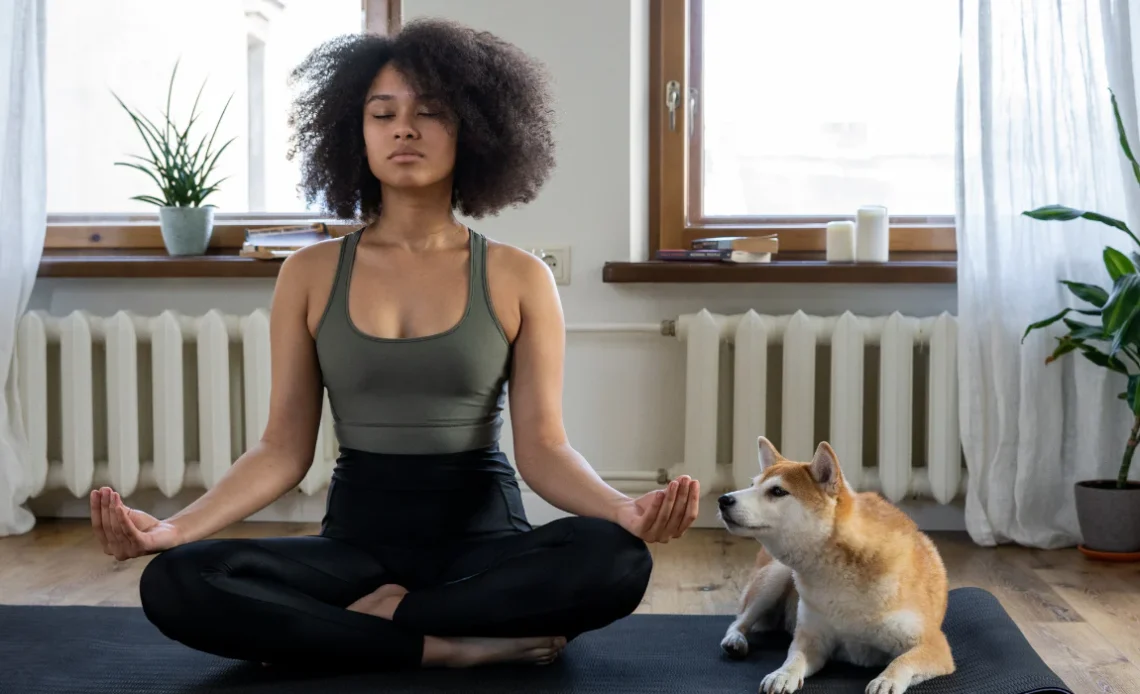
Research from Harvard Medical School found that just 8 weeks of regular meditation produces measurable changes in brain regions associated with stress, self-awareness, and compassion. You don’t need an app, a cushion, or a quiet room – you just need to start.
Types of Meditation: Which One Suits You?
| Type | Focus | Best For | Difficulty |
| Mindfulness | Present-moment awareness | Beginners, stress relief | Easy |
| Focused Attention | Single point (breath, candle) | Improving concentration | Easy-Medium |
| Body Scan | Sensations in each body part | Sleep, relaxing tension | Easy |
| Loving-Kindness | Cultivating compassion | Anxiety, social stress | Medium |
| Transcendental | Silent mantra repetition | Deep relaxation | Medium (needs instruction) |
| Zen / Vipassana | Insight into thoughts | Experienced practitioners | Hard |
Your First 10-Minute Meditation Session
Don’t overthink the setup. Here’s what a simple beginner session looks like:
- Find a quiet spot. Sit on a chair or floor with your back reasonably straight – you don’t need to be in lotus position.
- Set a timer for 5 or 10 minutes so you’re not checking your phone.
- Close your eyes. Take 3 slow, deep breaths to settle your body.
- Let your breathing return to normal. Just notice it – the rise and fall of your chest or belly, the sensation of air at your nostrils.
- When thoughts appear (and they will), don’t fight them. Notice the thought, label it ‘thinking,’ and return to the breath.
- When the timer goes off, open your eyes slowly. Take a moment before jumping back into your day.
The Biggest Mistakes Beginners Make
| Mistake | The Truth |
| Thinking meditation means emptying the mind | The mind always thinks. Meditation is noticing thoughts, not eliminating them. |
| Quitting after one session because it felt hard | The discomfort IS the practice. Sit with it. |
| Meditating for too long too soon | 5 minutes done daily beats 45 minutes once a week. |
| Expecting immediate results | Benefits accumulate gradually, often over 2-4 weeks. |
| Lying down and falling asleep | Fine for body scan, but upright posture supports alertness for most types. |
How Often and How Long Should You Meditate?
The research-backed sweet spot for beginners is 10-20 minutes per day. Frequency matters more than duration in the early stages.
- Week 1-2: 5 minutes daily – just build the habit
- Week 3-4: Extend to 10 minutes
- Month 2+: Try 15-20 minutes once you’re comfortable sitting
- Morning meditation (before checking your phone) tends to have stronger habit retention
Best Apps to Support Your Practice
- Headspace – structured beginner courses, great design, science-backed
- Calm – sleep meditations, body scans, Daily Calm sessions
- Insight Timer – free, massive library, timer function for solo practice
- Waking Up (Sam Harris) – more philosophical, great for skeptics
You don’t need to become a monk. Five mindful minutes before your morning coffee is enough to start. The goal isn’t silence – it’s awareness.