
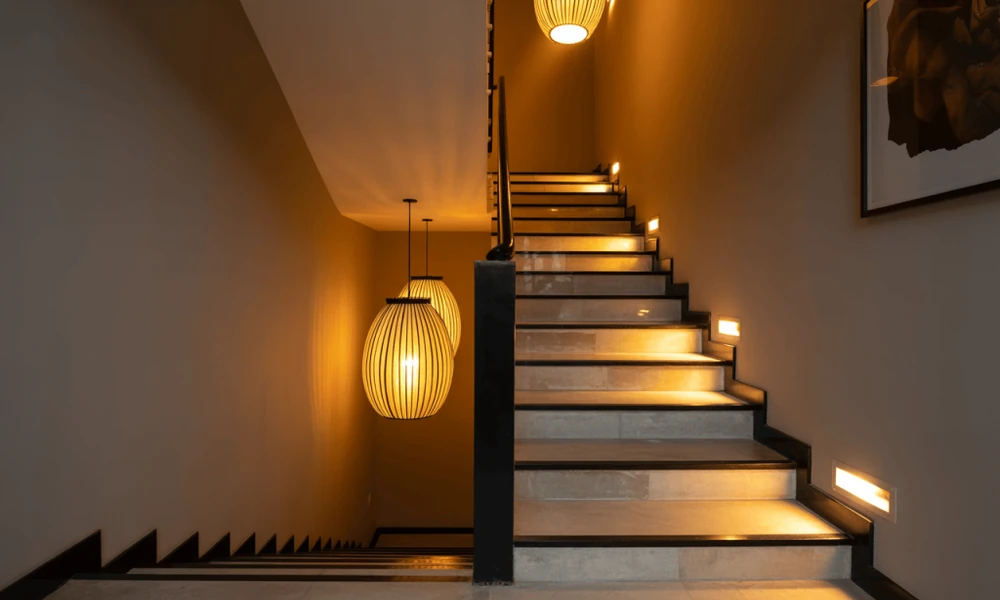
Staircases connect different levels of a home. Beautiful illumination transforms these structural paths into stunning architectural features. Perfect lighting balances safety and visual appeal through careful planning. Engineers and designers must collaborate to achieve flawless results. Light placement requires deep technical knowledge and artistic vision. This article explores the precise science behind elite staircase lighting installations.
The Foundation of Precise Staircase Photometrics
Sometimes, designers integrate subtle recessed fixtures near the floor. These low-level luminaires project light directly across the individual treads. Walkways become highly visible without creating blinding glare for guests. Properly calculated angles ensure the light never shines upward into eyes. Homeowners achieve both maximum safety and incredible visual warmth here. MOD Lighting provides premium fixtures engineered specifically for these delicate architectural applications.
Integrating Structural Architecture with Luminaires
Now, modern architects treat stairwells as grand vertical galleries. A central open void offers the perfect opportunity for drama. Homeowners frequently install a modern staircase chandelier to anchor the entire vertical space. This substantial fixture draws the eye upward and defines the atmosphere. The grand light source connects the lower and upper floors beautifully. Elegant illumination highlights the sophisticated geometry of the surrounding interior design.
The Technical Execution of Smart Control Systems
So, programming the system requires careful calibration of dimming curves. Lights should fade on gently rather than flashing brightly instantly. Sudden brightness shocks the eyes in dark midnight environments. Gradual illumination allows human vision to adapt comfortably and quickly. MOD Lighting offers advanced control compatibility for smooth dimming performance. Automated scheduling aligns the interior brightness with natural outdoor solar cycles.
Precision Installation Methods for Flawless Finishes
Therefore, precise physical measurements prevent alignment errors on vertical walls. Misaligned wall fixtures disrupt the architectural symmetry of the staircase. Laser levels guide technicians during the drilling and mounting processes. Clean finishes require close collaboration between finish carpenters and electricians. MOD Lighting supplies detailed architectural specifications to simplify this complex installation process. Perfect execution results in a breathtaking architectural masterpiece for years.
FAQs
What is the ideal brightness for steps?
Steps require enough light to eliminate deep shadows on treads. Low-level fixtures provide excellent visibility without creating blinding glare.
How do you choose the right fixture style?
The fixture style must complement the existing architectural lines. Minimalist homes benefit from recessed lights or clean geometric pendants.
Can smart sensors improve staircase safety?
Yes, automated motion sensors activate pathways when people approach. This hands-free illumination prevents accidental missteps during dark nighttime hours.
Why does material texture matter in lighting design?
Wood absorbs light while polished stone reflects bright beams. Designers must analyze these material reactions to prevent harsh glare.
Where should the main light fixture hang?
The main fixture should hang centrally in the open stairwell void. This placement balances the vertical space and illuminates multiple levels simultaneously.