
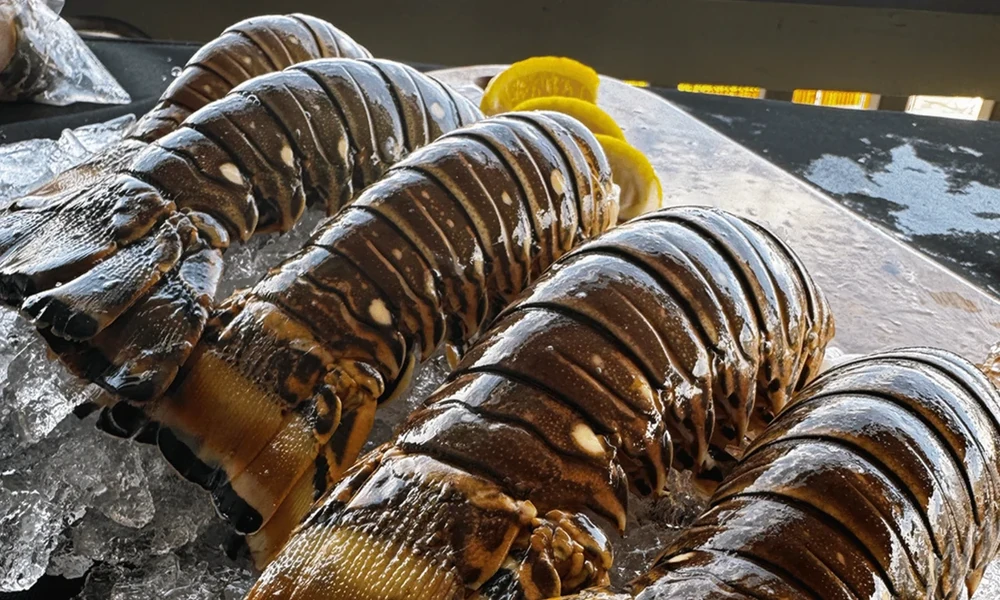
Sixty dollars at a restaurant. Twenty minutes of your time at home. The gap between those two outcomes mostly comes down to whether you know three things: the right internal temperature, when to butterfly, and which cooking method matches your tail size. Most people blow it on the temperature alone.
Florida lobster tails are genuinely different from the Maine lobster most Americans picture. They come from the Caribbean spiny lobster, a clawless species harvested almost entirely for its tail meat. That tail is sweet, slightly firm, and rich in a way that holds up beautifully to butter, garlic, and high heat. Once you cook one correctly, going back to the restaurant price tag gets hard to justify.
What Makes Florida Lobster Tails Worth Knowing
According to the Florida Department of Agriculture and Consumer Services (2024), spiny lobster ranked as the second most valuable species on Florida’s West Coast with $30.6 million in dockside value that year, trailing only stone crab. That number reflects just how serious the commercial operation behind these tails actually is.
Spiny lobster has no claws. Every bit of usable meat lives in the tail segment, which means what you buy is essentially the whole edible animal. The tail meat is denser and slightly sweeter than its Maine cousin, with less of that oceanic brininess. It also forgives a touch of overcooking better, though not by much.
The best tails come from lobsters caught during the official season. NOAA Fisheries reports that the commercial and regular recreational spiny lobster seasons run from August 6 through March 31 in Florida waters, with traps set across both the Atlantic and Gulf sides of the Florida Keys. That seasonal structure matters when you’re buying: tails sold during season are fresher and more plentiful, which usually brings the price down a few dollars per tail.
Buying directly from a reputable Florida seafood source makes a real difference. Home cooks looking for florida lobster for sale with overnight delivery can skip the grocery store freezer section entirely and get tails that were in the water recently.
The B.S.T. Framework: Butterfly, Season, Temperature
Here’s an original framework I use that covers the three variables that actually determine success. Call it B.S.T., and run through it every time before you start.
Butterfly first. Cut through the top of the shell lengthwise with kitchen shears, stop just before the tail fan, and gently lift the meat out to rest on top of the shell. This accomplishes two things: even heat exposure to the thickest part of the meat, and a presentation that looks like you spent three times longer on it than you did.
Season simply. Florida lobster tail doesn’t need a complicated rub. Melted butter, a clove of minced garlic pressed into it, kosher salt, and a small pinch of paprika for color. That’s the whole recipe. The delicate sweetness of the meat is the feature, so resist the urge to pile on. Lemon juice goes on after cooking, not before, because the acid starts denaturing the proteins and can create a mushy outer layer if it sits too long.
Temperature is everything. The USDA recommends cooking all shellfish to an internal temperature of 145°F (62.8°C) for food safety. In practice, pulling the tail at exactly 140°F and letting carryover heat do the final work gets you a result that’s firm but still moist. A cheap instant-read thermometer inserted into the thickest part of the tail meat, away from the shell, is the only reliable way to hit that window consistently.
Choosing the Right Method for Your Tail Size
Tail size changes the math entirely. Here’s how the main methods stack up:
| Method | Best Tail Size | Oven/Heat Setting | Approx. Time | Result |
|---|---|---|---|---|
| Broil | 4 to 8 oz | High broil, rack 6 to 8 in. from element | 5 to 8 min | Light char, caramelized butter |
| Bake | 8 to 12 oz | 425°F | 10 to 14 min | Even cook, juicy interior |
| Boil | Any size | Salted rolling boil, then simmer | 1 min per oz | Tender, clean flavor |
| Steam | 4 to 10 oz | Rolling steam, covered pot | 6 to 10 min | Delicate, moist, retains color |
Broiling is my personal pick for a 6 to 7 oz tail, which is the typical size you’ll find from a quality Florida supplier. The high heat caramelizes the garlic butter in about six minutes and creates a shell that cracks open dramatically at the table. Steaming is the right move if you’re cooking for someone who wants the cleanest, most neutral flavor possible.
Boiling works, but it dilutes the natural sweetness slightly. If you do boil, add a generous amount of salt to the water so the meat isn’t absorbing flavorless liquid the whole time.
A Real Scenario: The Dinner Party Problem
Picture this. You’ve promised four people a nice dinner. You have four 6 to 7 oz Florida lobster tails thawed in the fridge since the night before. You have one oven with one broiler element.
Here’s the actual plan that works. Line a rimmed baking sheet with foil. Butterfly all four tails, brush generously with the garlic butter, and place them meat-side up. Set the rack to the upper-middle position, not the top slot. Turn the broiler to high and let it preheat for a full five minutes before the tails go in. Four tails at once means slightly more moisture in the oven, so add about ninety seconds to your estimate. Start checking at six minutes. Pull the tails the moment your thermometer reads 140°F. Rest them for two minutes on the pan before plating. Squeeze fresh lemon over each one right before you set it in front of your guests.
That’s it. The whole active cook time is under ten minutes. The hard part was remembering to thaw overnight.
“The tail, or abdomen, is the prized section due to its abundance of meat, and when dipped in rich melted butter, it is a blissful feast.” This is a sentiment shared consistently by professional chefs and serious home cooks alike, and it captures exactly why Florida lobster tail has held its reputation as a special-occasion centerpiece for decades.
Your Pre-Cook Checklist
- Tails thawed overnight in the refrigerator, not on the counter
- Kitchen shears sharp enough to cut through the shell cleanly
- Garlic butter made before the tails hit heat (30 seconds to make, impossible to rush once the clock starts)
- Instant-read thermometer within arm’s reach
- Lemon sliced and ready on the side, not squeezed in advance
- Plate warmed in the oven at low heat so the tail doesn’t cool on contact
Florida lobster tail is one of those ingredients that rewards the cook who respects it. Keep the seasoning clean, hit 140°F, and serve immediately. The spiny lobster did the hard work out in the Keys. Your job is mostly just not to overcook it.