
Key Takeaways
- A Catholic funeral follows structured rites; respect timing and order.
- What you say should be brief, sincere, and aligned with the family’s beliefs.
- What you do matters just as much-observe etiquette during Mass, prayers, and committal.
- Participation is optional for non-Catholics, but respectful presence is expected.
- Behaviour at a funeral service in Singapore reflects both personal respect and cultural awareness.
Introduction
Attending a Catholic funeral can feel unfamiliar, especially for those who are not part of the faith. After all, the service is guided by specific religious rites, and expectations around behaviour and communication are more structured than in some other traditions. Knowing what to say and what to do helps avoid discomfort while ensuring you show appropriate respect to the deceased and their family.
This guide breaks down both aspects clearly so you can navigate a funeral service in Singapore with confidence and sensitivity.
What to Say
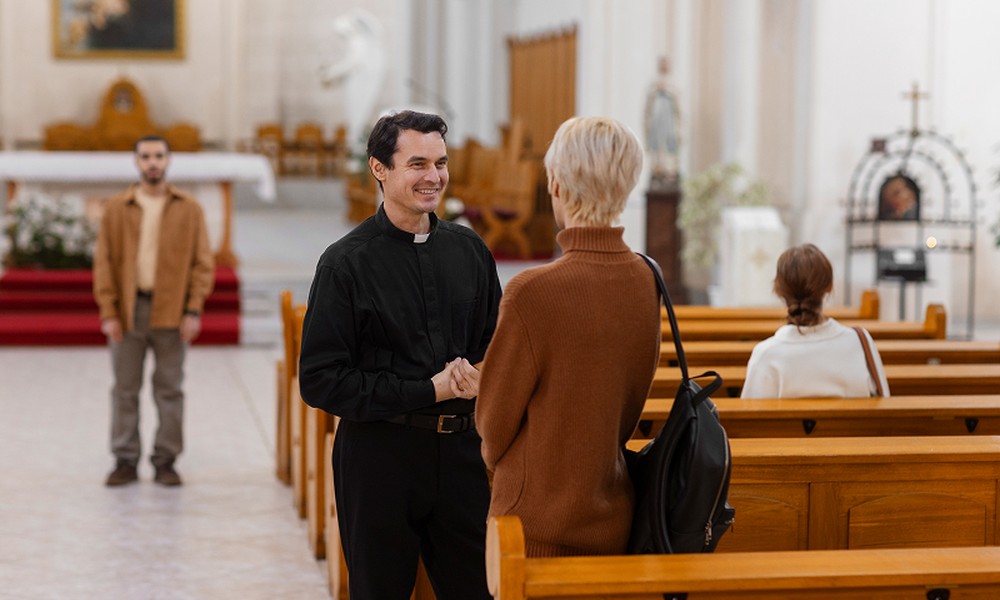
Keep your words simple and direct when speaking to the bereaved family. A short expression such as “I’m sorry for your loss” or “You’re in my thoughts and prayers” is appropriate and widely accepted during a Catholic funeral. Avoid long explanations, personal stories, or attempts to rationalise the loss. This is not the time to offer solutions or comparisons. The focus should remain on acknowledging grief, not analysing it.
If you are familiar with Catholic customs, referencing prayer can be meaningful. Saying “I’ll keep your loved one in my prayers” aligns with the faith’s emphasis on intercession for the deceased. However, if you are not religious, a respectful statement without religious language is still acceptable. What matters is sincerity, not theological accuracy.
It is also important to avoid statements that may unintentionally minimise the situation. Phrases such as “at least they lived a long life” or “everything happens for a reason” can feel dismissive. Remember, in a funeral service, especially one rooted in Catholic rites, the tone should remain solemn and respectful. Silence is also acceptable if you are unsure what to say. A simple nod or handshake can communicate support without risk of saying the wrong thing.
What to Do
Behaviour during the service should follow the structure of the Catholic rites. A Catholic funeral in Singapore typically includes a wake, a Funeral Mass, and the committal. There will be moments during the Mass where attendees stand, sit, or kneel. Follow the lead of others if you are unfamiliar. Participation in prayers or hymns is optional, particularly for non-Catholics, but remaining attentive and still is expected.
Dress conservatively. Dark or muted clothing is standard for a funeral service, and it reflects respect for the occasion. Avoid casual attire, bright colours, or anything that draws attention. Arrive on time or slightly early, as entering midway through the service can be disruptive.
Additionally, when approaching the casket, if permitted, do so calmly and briefly. Some attendees may choose to bow their heads or make the sign of the cross. If you are not part of the faith, standing quietly is sufficient. The key is to avoid hesitation that may disrupt the flow of the line.
After the service, it is customary to greet the family again before leaving. Keep interactions short, as they will be receiving many guests. Offering practical support, such as helping with arrangements or simply being present, is often more valuable than extended conversation.
Conclusion
Understanding what to say and do removes much of the uncertainty when attending a Catholic funeral in Singapore. The expectations are not complex, but they require awareness and restraint. Keep your words simple, your behaviour respectful, and your presence steady. Remember, in any funeral service, showing quiet support is often the most appropriate and appreciated response.
Contact Casket Fairprice to speak to a team that knows when to step in, when to stay invisible, and how to carry out a funeral service without added stress on your family.